.png)
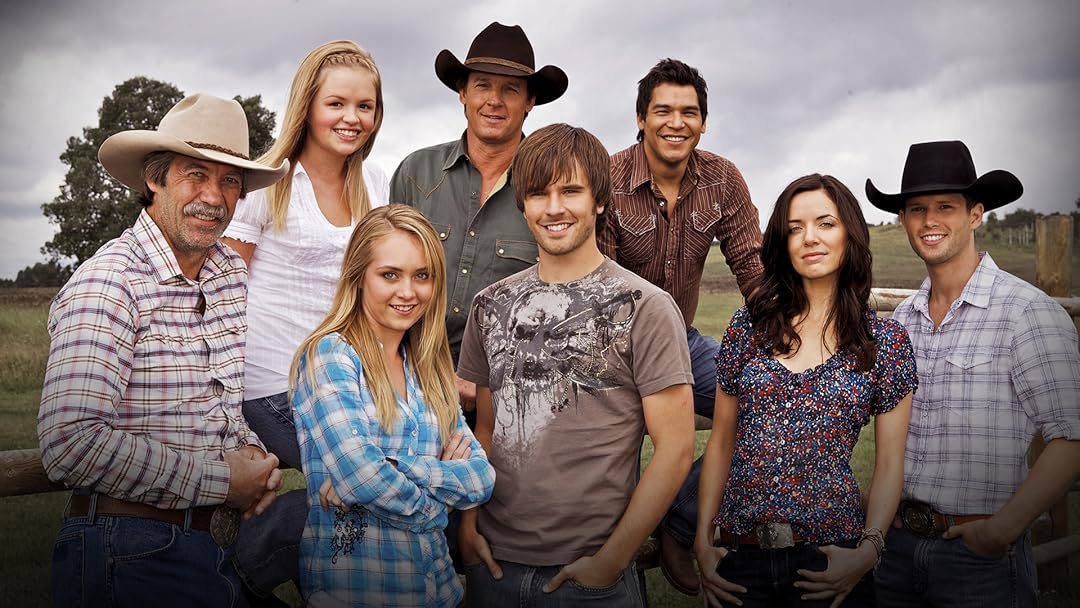
Heartland Store: The Film That Redefines Small‑Town Drama
When a modest indie project steps onto the screen and captures the pulse of everyday life, it becomes more than just a movie—it becomes a cultural touchstone. Heartland Store is that rare film, a quietly powerful drama that reshapes the way we view small‑town stories. From the opening scene of a dusty storefront to the lingering echo of its closing credits, the film invites viewers to linger in the spaces we often overlook. It transforms a simple grocery store into a crossroads of hope, loss, and community, reminding us that the most compelling narratives often unfold far from the glitz of big‑city lights.
Heartland Store: A New Narrative for Rural Cinema
The film’s title alone signals a shift in focus. While many dramas retreat to urban backdrops, this story roots itself in a Midwestern town where the local market is the heart of daily interaction. The director chose to film on location, using natural lighting and authentic backdrops that feel lived‑in. This commitment to realism invites audiences to experience the texture of the town—its weathered signage, the scent of fresh produce, the hum of familiar conversations. By anchoring the plot in a single, recognizable place, the movie creates a micro‑cosm that mirrors larger societal currents.
Characters Who Echo Real Lives
At the core of Heartland Store are its richly drawn characters, each representing a facet of small‑town existence. There's the store owner, a stoic yet compassionate figure who balances business pressures with a deep sense of duty to his neighbors. His daughter, returning after a stint in the city, confronts generational tensions and contemplates whether to stay or leave. Regular patrons—farmers, teachers, retirees—populate the aisles, each bringing their own stories of triumphs and setbacks. Their interactions are organic, filled with the gentle humor and quiet drama that characterize daily life, allowing viewers to see reflections of themselves and their own communities.
Storytelling That Defies Conventional Drama
Instead of relying on blockbuster plot twists, the film employs a restrained, slice‑of‑life approach. Scenes unfold slowly, giving space for silence, subtle glances, and unscripted moments to resonate. The narrative arc is less about a singular climax and more about a series of small revelations that accumulate, creating a profound emotional impact. The cinematography favors long takes that linger on ordinary actions—stacking shelves, preparing a coffee, sharing a laugh over a forgotten recipe—transforming the mundane into cinematic poetry. This storytelling style invites audiences to contemplate the weight of everyday decisions and the quiet strength found in community bonds.
Impact and the Future of Small‑Town Storytelling
Since its release, Heartland Store has sparked conversations about representation and authenticity in film. Critics praise its ability to elevate a specific locale while speaking to universal themes of belonging, change, and resilience. Film festivals have highlighted its success as evidence that audiences crave genuine, character‑driven narratives over high‑budget spectacles. Moreover, the movie has inspired local filmmakers to explore their own backyards, proving that compelling cinema can emerge from any corner of the country. As the industry continues to diversify its storytelling, Heartland Store stands as a benchmark for how intimate, place‑centric dramas can redefine the genre.
In a world saturated with fast‑paced entertainment, Heartland Store offers a refreshing pause—a reminder that the most moving stories often happen in the quiet aisles of a hometown store. Its legacy may well be the renewed appreciation for the subtle power of small‑town drama, encouraging both creators and viewers to look closer at the familiar corners of their own lives.